
XLNC
Excelence in all



XLNC
Example 10 - Macaw
Example article - Macaw
This is an example article in HyperFluxCMS. It uses a text about a random subject and serves for you to see what your site will look like after you have published real content. The subject of this example article is Macaws.
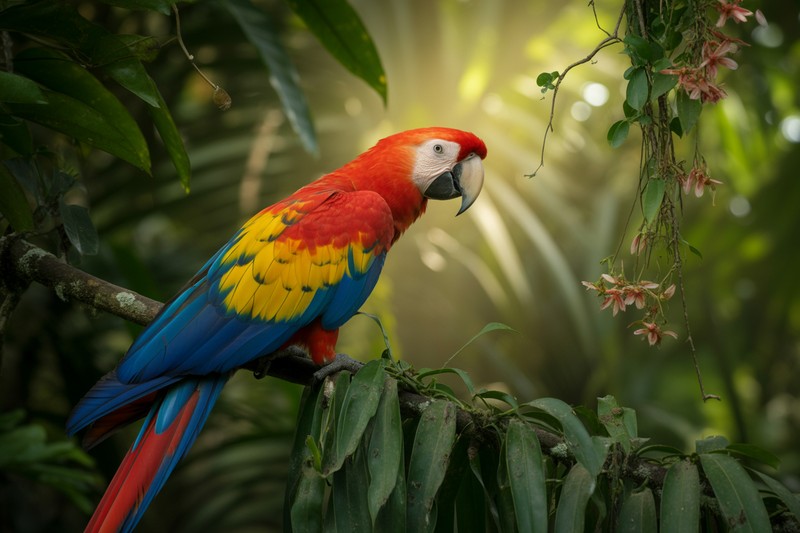
This post is an example text. It serves to show what the site will look like after you have published real content.
After your site has some pages and is ready for publication, delete this post and the other example posts.
With their vibrant plumage and majestic flight, Macaws are much more than simple birds; they are icons of the American tropical forests. Belonging to the Psittacidae family, the same as parrots and parakeets, they stand out for their large size, long tail, and extraordinarily strong, curved beak. These birds are not just a marvel of natural aesthetics; their ecological role is vital, acting as "forest gardeners" by dispersing the seeds of the fruits they consume, ensuring vegetation regeneration.
A macaw's color palette is a spectacle in itself. The Red-and-green Macaw (Ara chloropterus), with its intense red, green, and blue, and the Blue-and-yellow Macaw (Ara ararauna), with its sun-yellow and sky-blue, are perhaps the most recognized. However, there are several species, each with its unique combination, such as the majestic Hyacinth Macaw (Anodorhynchus hyacinthinus), the largest of them, which can reach one meter in length. These colors serve not only for our delight; they are fundamental for individual recognition and sexual selection.
Intelligence and complex social behavior are trademarks of these birds. They form monogamous pairs that often stay together for life, sharing all activities, from foraging for food to caring for the young. Their vocalization is powerful - their shrill calls can be heard over great distances, serving for communication within the flock and territory demarcation. In the wild, they can live for several decades, a testament to their successful adaptation.
Unfortunately, the splendor of macaws has placed them in serious danger. The loss and fragmentation of their habitat, coupled with the pressure of illegal wildlife trafficking - which captures them to sell as pets - have brought several species to the brink of extinction. The Lear's Macaw (Anodorhynchus leari), for example, is a symbol of the conservation struggle, with a population that still recovers slowly today thanks to intensive protection efforts.
The preservation of these colorful giants depends on a set of actions. In situ conservation projects work to protect habitats, install artificial nests, and combat poaching. At the same time, captive breeding, under strict control in zoos and conservation breeding centers, helps maintain genetically healthy populations and serves as a vital tool for education and research. Their survival is an indicator of the health of the ecosystems they inhabit and a reminder of our responsibility to protect the planet's biodiversity.