
XLNC
Excelence in all



XLNC
Example 6 - Light Bulb
Example article - Light Bulb
This is an example article in HyperFluxCMS. It uses a text about a random subject and serves for you to see what your site will look like after you have published real content. The subject of this example article is the Light Bulb.
This post is an example text. It serves to show what the site will look like after you have published real content.
After your site has some pages and is ready for publication, delete this post and the other example posts.
The light bulb is an essential device for artificial lighting, an invention that profoundly transformed daily life and the way society functions. Its creation is generally attributed to Thomas Edison, who, in 1879, perfected the design of the incandescent bulb, making it commercially viable. However, many inventors, such as Joseph Swan, also contributed to the development of this technology.
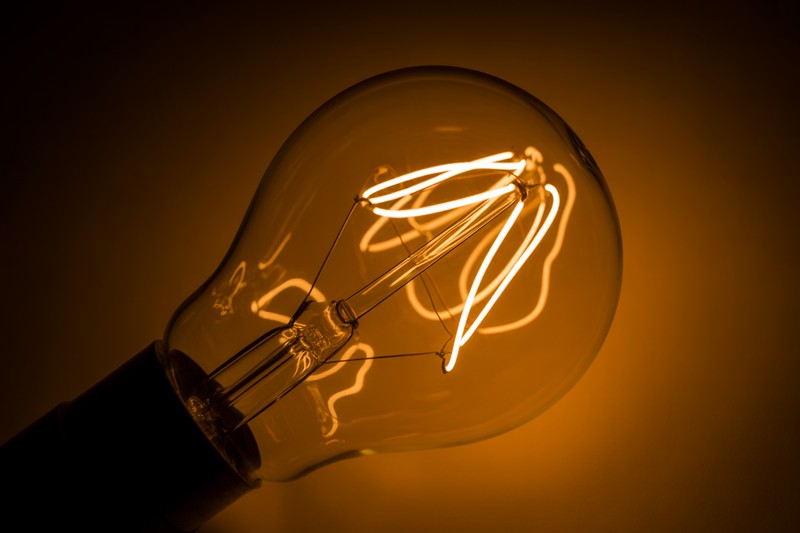
The incandescent bulb, which dominated for over a century, works by heating a metal filament, usually tungsten, inside a glass bulb filled with inert gas. When electricity passes through the filament, it heats up until it emits visible light. Although efficient for its time, incandescent bulbs waste a lot of energy in the form of heat, which led to the development of more economical alternatives.
In recent decades, other lighting technologies have emerged, such as fluorescent bulbs and, more recently, LEDs (light-emitting diodes). Fluorescent bulbs use gases that emit light when excited by electrical currents, while LEDs are semiconductor devices that offer greater energy efficiency, durability, and lower environmental impact.
The invention of the light bulb allowed for the extension of the working day, transforming industry, commerce, and leisure by providing a reliable and accessible source of light. Furthermore, public lighting, powered by bulbs, improved safety and boosted urban growth.
Today, the evolution of light bulbs continues to follow the trend of sustainability, with an emphasis on solutions that consume less energy and last longer, reducing environmental impact and cost for consumers.